Table of Content
Seniors can take advantage of all these resources to improve their oral and general health. There are free or low-cost dental clinics in Florida that offer sliding fee scale services and low-affordable services. The impact charities and local organizations have had on disadvantaged communities cannot be put into words.

Getting assistancealso helps you to take frequent breaks so you don’t burn out or jeopardize your health if you’re their primary caregiver. Seniors earning incomes 200% below the federal poverty level qualify for dental procedures like emergency dentistry, fillings, dental exams, etc. You are leaving AARP.org and going to the website of our trusted provider.
Health & Wellness
Funding for home accessibility and safety modifications is provided to nonprofit organizations and local government agencies by the Illinois Housing Development Authority. These Home Accessibility Program grants are available to low-income residents aged 60 and older from approved sources across the state. Below, you'll find information on how to pay for elderly home care through Medicare, Medicaid, and other federal, state and local programs.

Instead of surrounding the elderly with negativity, it allow them live their lives to the fullest of their ability. The idea is of course expensive but helps us think about solutions to the problem of helping our loved family members enjoy the best possible experience regardless of the situation. You'll start receiving the latest news, benefits, events, and programs related to AARP's mission to empower people to choose how they live as they age. Home Instead went above and beyond my expectations when it came to caring for my terminally Ill father. From beginning to end, the communication level from everyone I encountered was exemplary, and each of the caregivers that assisted my family was kind, caring, and compassionate.
Are There Grants Or Programs That Help With Teeth Cleaning And Fillings Costs?
The cost depends on factors like the availability of professionals to provide the necessary care and of companies to manage the care. And, of course, cost of living greatly impacts both caretakers’ wages and the overall costs a person can expect to pay for care. Many don’t need this level of care, but for those who do, a skilled nursing facility might be the best option.
Which type of care costs more will depend on how much care you need and the financial assistance options available to you. For example, if you just need a few hours of home care per week, it will be less expensive than a nursing home. However, for 24/7 care, a nursing home is less expensive, especially when taking Medicaid and Medicare assistance into account. Most home healthcare workers charge hourly rates, usually through a home health agency, though they may also be hired on a private, family-by-family basis. Home care aides provide help with certain daily living tasks, such as housekeeping, shopping, cleaning, and preparing meals.
Social Security & Medicare
Still, for most in-home care situations, the needs (bathing assistance, companionship, etc.) greatly affect cost. Adult day programs are places where seniors go during the day for care, meals, and activities. For example, if you got 10 hours of respite care from one of these programs, that means you’d have 10 less caregiver hours to pay for. Many day programs also provide transportation for seniors to and from their homes. Adult day programs are facilities where seniors can get care, meals, and activities during the day. When you sign up for a meal delivery service, you won’t have to pay an in-home caregiver to shop, cook, or prepare food, which cuts down on the amount of hours you’ll have to hire them for.
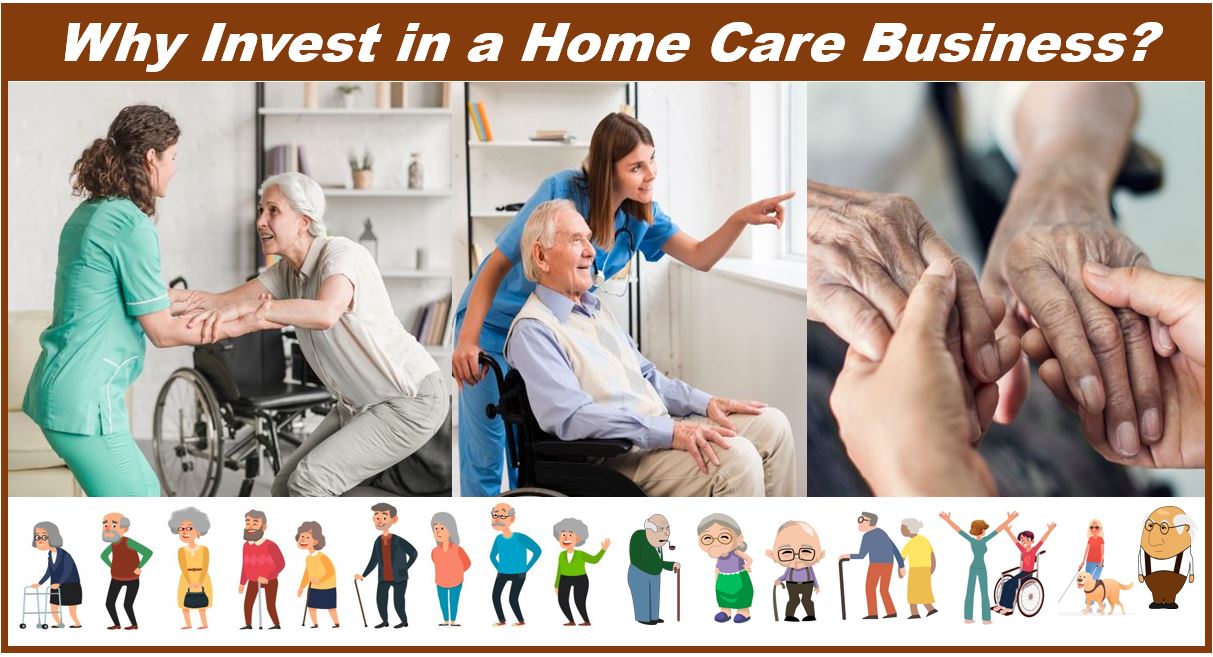
Personal care such as bathing, dressing, and other activities of daily living. The market for home care is exploding thanks to the wave of baby boomers reaching their golden years and the need for lower-priced alternatives to institutional care. According to the Bureau of Labor Statistics, the number of home health and care aides will expand to more than 1.3 million by 2020, a 70% increase from 2010. Home care is cheaper than a nursing home.More on the cost of home care vs nursing homes. Not all plans are created equal, and it is up to the individual to determine if they qualify for support from Medicare. If you are looking at private individuals, make sure they have the proper credentials for the care needed – for example, if nursing care is needed, make sure a candidate is a registered nurse.
Homewatch CareGivers Serving Chicago Land and The Northshore
Home Care has been in business, we have primarily grown from the positive feedback of our clients and families.
If you have Medicaid, there is no monthly premium for the long-term care portion of the benefit. If you have Medicare, you'll pay a monthly premium to cover the long-term care benefit and a premium for Medicare Part D drugs. There is no deductible or copay for drugs, service or care provided by your PACE team. While SeniorCareAdvisor.org strives to provide the most accurate and useful information as possible, this information is not advice - medical, financial, legal, or otherwise.
Hover over your state on the map below to view the state’s average home care costs. The figures represent the monthly cost for 20 hours of home care per week, so keep in mind that the cost for 24/7 care will be significantly higher. Medicare does not cover any type of non-medical care that is not ordered by a physician or care practitioner. This means that there is no Medicare coverage for those receiving care for ADL’s, but any care related to medical needs are covered. Home health aides, CNA’s, nurses and therapists are covered under Medicare.

Mom requires a nursing home level of care but has chosen to age in place. Anywhere from 42 hours per week to 24/7 home health care, depending on the week. Mom has a chronic medical condition and recently recovered from COVID-19. Her doctor recommends home health care for therapy and monitoring purposes while she fully recovers. Read on for a brief overview of the three different care types and who can benefit from them. By the end of this section, you’ll have a clearer understanding of what type of in-home care is the best fit for you, which can help you plan for costs.
Workers may also provide companionship and medication reminders and help a senior run errands or attend appointments. Seniors who prefer to age in place can get help improving their quality of life through a variety of programs and services. These include activities to keep seniors mobile and engaged, hot meals, home repairs, discounts and information on topics relevant to older adults. The average cost for non-medical home care varies throughout the state of Illinois, with the median monthly cost at $5,672 in Chicago. Peoria and Bloomington seniors pay an average monthly fee of $5,053, while Springfield seniors pay $5,100. Danville has one of the highest costs for in-home care in the state, at $8,818 per month, while older adults who choose to retire in Carbondale pay around $4,576.

While these waivers won’t assist with the cost of housing or utilities, they do provide help with most daily care. These types of services primarily deal with instrumental activities of daily living—that is, they’re focused on preserving the independence of someone who is otherwise in good health. In-home care may be a viable solution for older adults who want to remain in their homes even as their needs change.
A level of service that meets and exceeds the healthcare industry' standard. Our services are provided by highly trained, screened individuals and credentialed staff. We ensure client -to -caregiver personality and service compatibility. At the heart of everything we do, we give compassion, comfort and dignity to our clients. Our streamlined process is designed with efficiency and open communication in mind. Families, and your staff, have the peace of mind of knowing that we take ownership of getting services put into place.




No comments:
Post a Comment